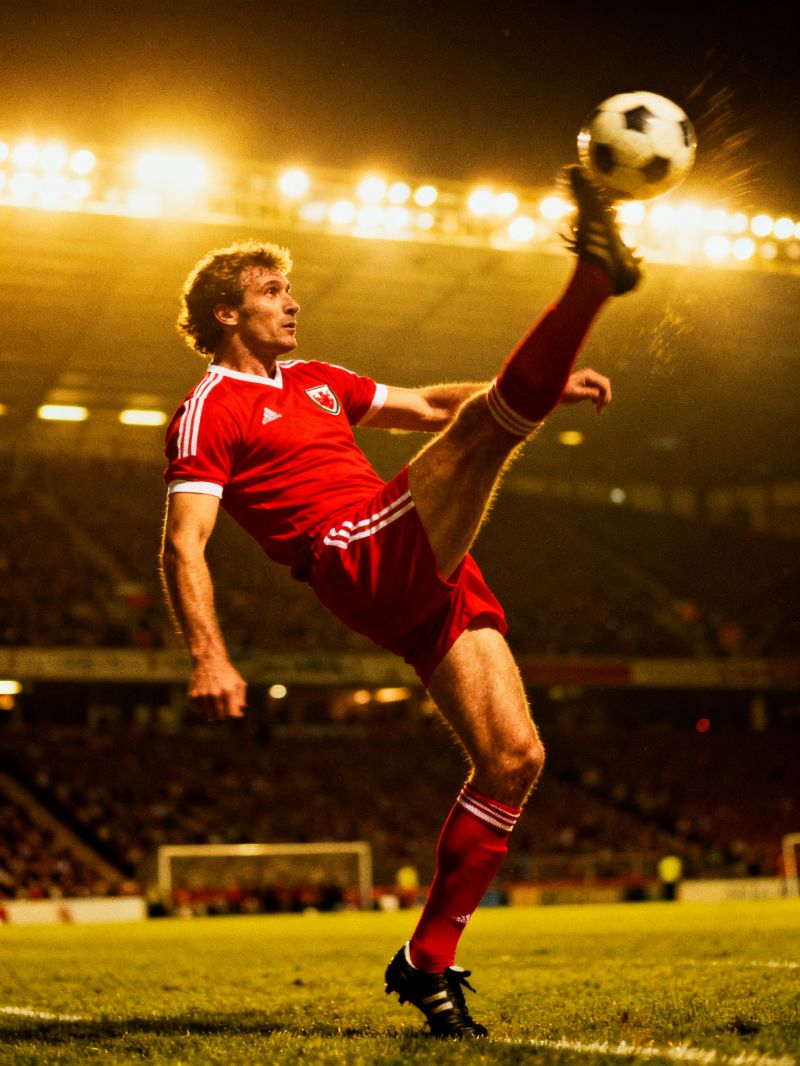
Mark Hughes didn't win the Ballon d'Or. He never lifted a Champions League trophy or scored in a World Cup final. But ask anyone who watched Welsh football claw its way from international afterthought to European Championship semifinalist, and they'll tell you: Hughes was the bridge. Not the flashiest player, not the loudest voice—but the one who made the next generation believe it was possible.His playing career was defined by two things: spectacular goals and stubborn resilience. The bicycle kick against Spain in 1985?Still gets replayed on Welsh television like a religious ritual. But the real Mark Hughes story is less about highlight reels and more about how he dragged mediocre Wales teams to respectability. Fifty-nine goals in 100 caps for a nation that rarely qualified for major tournaments—that's not just talent, it's defiance. I remember watching him in the early 1990s, playing for Manchester United but never quite fitting the glamour mold. He was rugged, often fouled harder than he fouled others。
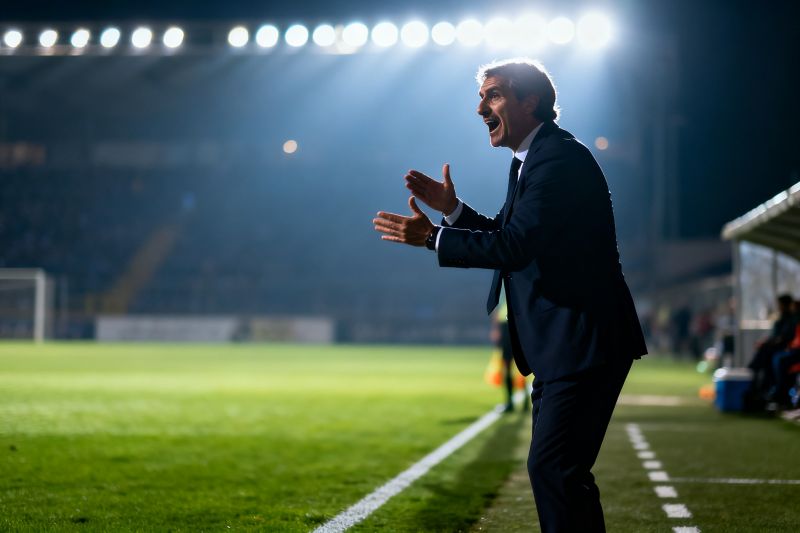
and he had this habit of scoring when it mattered most. Two League titles, four FA Cups, a Cup Winners' Cup. Not bad for a player Sir Alex Ferguson once described as having "the heart of a lion."The managerial chapter is murkier. Hughes took over Wales in 1999, a rookie boss with a legendary playing reputation and almost no coaching experience. The early years were rough—heavy defeats, tactical confusion, a squad that seemed to resent his authority. But something shifted around 2002. He blooded young players like Craig Bellamy and Simon Davies。built a spine around Ryan Giggs, and instilled a defensive discipline that Wales hadn't shown in decades. The 2004 Euro qualifier against Italy at the Millennium Stadium—a 2-1 win that nearly sparked a riot of joy—was pure Hughes: gritty, organized, and utterly unafraid. He left for Blackburn in 2004 with Wales on an upward trajectory, even if the results didn't always show it.His club management has been a rollercoaster. Blackburn was solid. Manchester City was a brief, chaotic cameo before the Abu Dhabi takeover changed everything. Fulham, QPR, Stoke, Southampton—each stop had moments of promise followed by familiar slumps. Hughes never got the credit he deserved for Stoke's evolution from rugby-style thuggery to actual passing football. He also never escaped the label of "good player, average manager." That's unfair。but football is unfair. What strikes me is how little bitterness he shows. In interviews, he talks about players he developed, matches he learned from, not the sackings or the boardroom betrayals.
Now, as a pundit and occasional advisor, Mark Hughes remains a quiet presence. He doesn't shout. He doesn't stir controversy. He watches Welsh football's current golden generation—Bale, Ramsey, the lot—with something between pride and bemusement. They call him a legend in Cardiff and Wrexham. He shrugs it off. "I just played。" he told a reporter once. "The rest is noise." That's Hughes. A man who never sought the spotlight, but whose shadow still stretches across every pitch Wales plays on. You don't need to be the best to be indispensable. You just need to show up, fight, and leave the place better than you found it.